

Most boaties would agree that a functioning VHF marine radio is a must have on any powerboat. It gives you peace of mind that you’ll be able to call for help if anything goes wrong.
We’ve seen firsthand the importance of having a functioning VHF radio on board and it’s still the primary marine safety communication tool in NZ. It’s a simple safety upgrade that can literally save lives.
While some people rely on a mobile phone, they’re not reliable on the water, especially if you’re going wide.
How do VHF radios work?
A marine radio is a specialised two-way communication that operates at a Very High Frequency.
VHF radio works by transmitting radio waves from antenna to antenna on a broadcast network. It works through ‘line of sight’, making it ideal for use on the water where there are no obstructions. The signal travels in a straight line, with the distance determined by the height of the VHF radio antenna.
When you call for help, that call goes out to Coast Guard and other boats in your vicinity.
What is a VHF radio used for?
Most importantly a VHF radio is used as a distress signal in an emergency. A distress signal is made on channel 16 and there are specific instructions to radio a mayday call. Check out the Maritime NZ website for detailed instructions.
Another important safety feature is updates on the marine weather forecasts and warnings or safety alerts. As we all know, conditions can change very quickly on the water. Access to continually updating weather forecasts can be the difference between making it back to dry land or not.
VHF radios are also a great way to communicate on the water – it allows you to warn other boaties about hazards on the water, check in, or share where the work ups are.
Is a VHF marine radio required in New Zealand?
While a VHF radio isn’t required on a recreational vessel in NZ, they are strongly encouraged.
It’s important to note that there are limitations with VHF radio, especially handheld. If you’re out wide and can’t see land, you’re probably out of VHF range. In this situation it’s important to keep an EPIRB on board.
If you’re going to use your VHF radio for more than just emergency or distress calls, it’s a legal requirement to hold an Operator Certificate and a have a call-sign for your boat.
Find out more about the Operator Certificate course and a call-sign registration here.
Fixed-Mount or handheld VHF radio?
The type of VHF you have on board depends on several factors and there are pros and cons for each.
Fixed-Mount VHF Radios
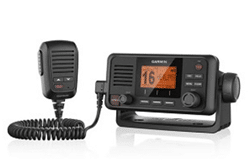
The fixed-mount VHF is installed or wired in to the boat as a permanent fixture. It’s connected to the boat’s 12V battery, giving it superior power compared to the handheld VHF.
They’re connected to an external antenna that’s placed high on the boat, extending the signal range.
They’re more suitable for larger trailer boats and launches that will go greater distances offshore.
Handheld VHF Radios
In contrast handheld VHF radios ar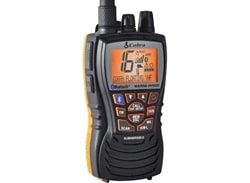
They’re powered by an internal battery and obviously don’t require installation. They’re a great backup option, or an option for those smaller vessels. Being portable, you have the flexibility to take it on any vessel.
Why every boat should have a VHF radio
A VHF radio is a critical piece of equipment on any vessel, as it’s your lifeline should anything go wrong out on the water.
A mobile phone is a good back up but is limited by coverage (i.e. needing to be in the vicinity of a cell tower), black spots and the fact that it’s one to one communication. VHF radio has the advantage of broadcasting to everyone in the area, including Coast Guard.
Do you need professional VHF installation
While you can install a VHF yourself it’s generally not recommended, especially as you need to be able to rely on it, especially in the event of an emergency. Professional installation also ensures you’ll get the best range performance possible.
They’ll ensure optimal placement for your aerial and ensure that your radio has a dedicated, properly fused power source installed with the correct cabling and correctly connected to prevent voltage drops.
Professionals ensure the radio has a dedicated, properly fused power source directly from the battery busbar to prevent voltage drops and ensure the radio works even if other electronics fail. A professional installation will give you the peace of mind that there’s no fire risk from improper wiring and no corrosion from poorly sealed connections.
Ultimately you have the peace of mind that your VHF will work correctly in the event of an emergency.
How we can help
We can advise the best VHF radio for your boat and type of boating you do. Plus, our team can supply and professionally install your VHF radio or advise of any upgrades needed to your existing set up.
If you require a complete electronics set up or overhaul, we can help with that too. Get in touch for a no obligation quote.